

Quick answer
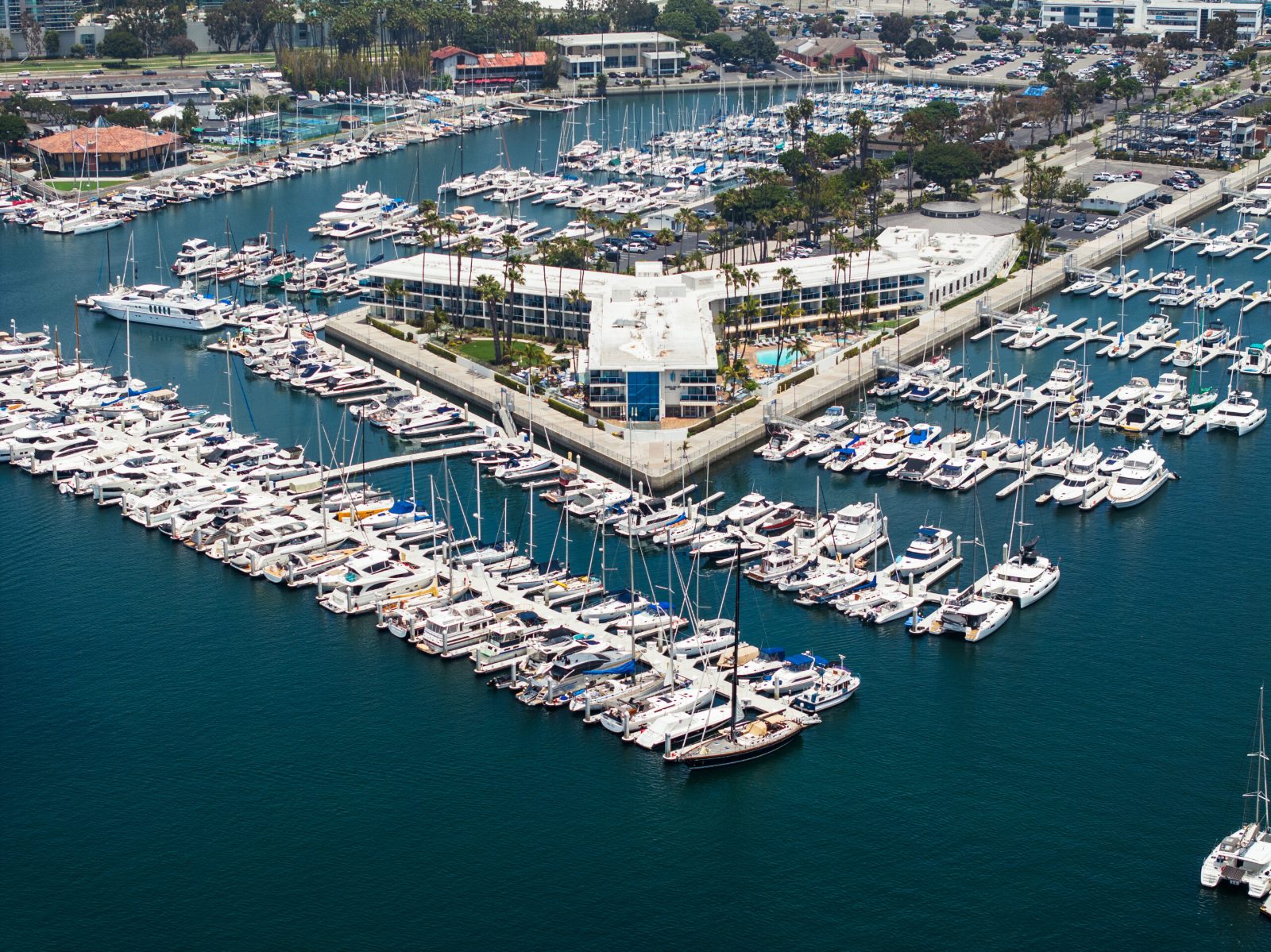
Marina del Rey ocean conditions feature calm, protected waters with minimal wave activity thanks to the harbor's breakwater system. Water temperatures range from 60°F in winter months to 68°F during summer and early autumn, with the warmest conditions typically occurring between July and October. Morning hours before 10:00 AM offer the calmest surface conditions before afternoon sea breezes develop, and the harbor remains sheltered from large Pacific swells that affect nearby open beaches.
The breakwater at Marina del Rey Harbor entrance blocks 90 percent of incoming ocean swells, creating a sheltered basin where wave heights rarely exceed six inches inside the main channels. This engineered protection makes the harbor fundamentally different from the adjacent Venice and Dockweiler beaches, where three-to-five-foot breakers are common. Pacific water temperature cycles drive the harbor's seasonal rhythm. Winter brings cooler 58-62°F water as the California Current pushes south, while late summer and early autumn see the warmest conditions when the current weakens and nearshore water warms to 66-70°F. The harbor's shallow channels and dark marina infrastructure absorb solar heat, occasionally pushing protected basin temperatures two degrees above open ocean readings. Water clarity fluctuates with stormwater runoff—winter rain events reduce visibility to four feet, while summer stability allows ten-foot clarity in the main channel. Marine layer fog blankets the harbor on summer mornings, typically burning off by 11:00 AM as inland valleys heat. Afternoon westerly winds arrive between 1:00 PM and 3:00 PM, building from five knots to fifteen knots through evening—a pattern that shapes sailing schedules and paddle sport timing. The prevailing northwest wind direction funnels through the harbor mouth, creating predictable wind lanes along the main channel. Spring and autumn shoulder seasons offer the harbor's most stable conditions, with minimal fog, moderate temperatures, and lighter afternoon winds compared to summer's aggressive sea breeze. Tidal exchange brings fresh ocean water through the harbor twice daily, with a typical range of four to six feet between high and low tide. Current velocity peaks near the harbor entrance during mid-tide exchange, reaching two knots in the main channel while remaining negligible in protected basins and finger channels. Understanding marina del rey ocean conditions means recognizing that this engineered harbor creates a microclimate distinct from the open Pacific—sheltered water that rewards early arrivals and remains accessible to beginners year-round.
“The breakwater blocks ninety percent of Pacific swells, transforming ocean turbulence into harbor calm.”
Understanding Marina Del Rey Ocean Conditions and Optimal Timing
The best arrival window is 06:00–10:00, when ocean conditions are at their calmest and mid-day crowds are minimal. Planning around seasonal water temperature and swell patterns ensures a more comfortable experience on the water.
Weekday mornings
Minimal crowds—
Waters are typically calmest with reduced boat traffic. This is ideal for those seeking stable ocean conditions.
September–October
ModerateWarm waters, 68°F–70°F
Late summer and early autumn offer the warmest ocean temperatures. Swells are generally manageable during this period.
November–March
LowCooler waters, 58°F–62°F
Winter months bring potential for larger swells and cooler air temperatures. Ocean conditions may become more unpredictable during storm activity.
Verdict: For the calmest water and fewest crowds, visit during weekday mornings in September or October.
Operating Schedule for Marina Del Rey Ocean Conditions Access
Public access to the beach and harbor areas in Marina del Rey is available throughout the week. The facilities maintain a consistent schedule to accommodate visitors interested in ocean conditions.
| Monday | 00:00–23:59 | |
|---|---|---|
| Tuesday | 00:00–23:59 | |
| Wednesday | 00:00–23:59 | |
| Thursday | 00:00–23:59 | |
| Friday | 00:00–23:59 | |
| Saturday | 00:00–23:59 | |
| Sunday | 00:00–23:59 |
Navigating to Marina Del Rey Ocean Conditions Access Points
The primary access point for monitoring ocean conditions in Marina del Rey is located at 13837 Fiji Way. Visitors traveling by car should utilize the I-90 West, which transitions directly into the marina area.
I-90 West to Fiji Way
LA Metro Line 108 to Fiji/Culver
Direct service to 13837 Fiji Way
Preparation Checklist for Monitoring Marina Del Rey Ocean Conditions
Monitor ocean conditions safely with the right preparation and local data sources.
-
Download NOAA weather app — Real-time wind, wave height, and marine forecasts for Marina del Rey harbor.
-
Check tides via NOAA tides portal — Harbor currents shift significantly during tide changes, affecting water clarity.
-
Pack polarized sunglasses — Essential for spotting swells, surface conditions, and navigational hazards through glare.
-
Bring layered windproof jacket — Morning fog and afternoon sea breezes create rapid temperature swings year-round.
-
Carry VHF marine radio or app — Channel 16 broadcasts Coast Guard warnings and harbor patrol updates.
-
Note harbor patrol contact: 424-526-7777 — Direct line for current advisories, water quality alerts, and safety conditions.
Check availability
Frequently asked questions about marina del rey ocean conditions
Everything you need to know about marina del rey ocean conditions